Wilderness Education Course
Highlights
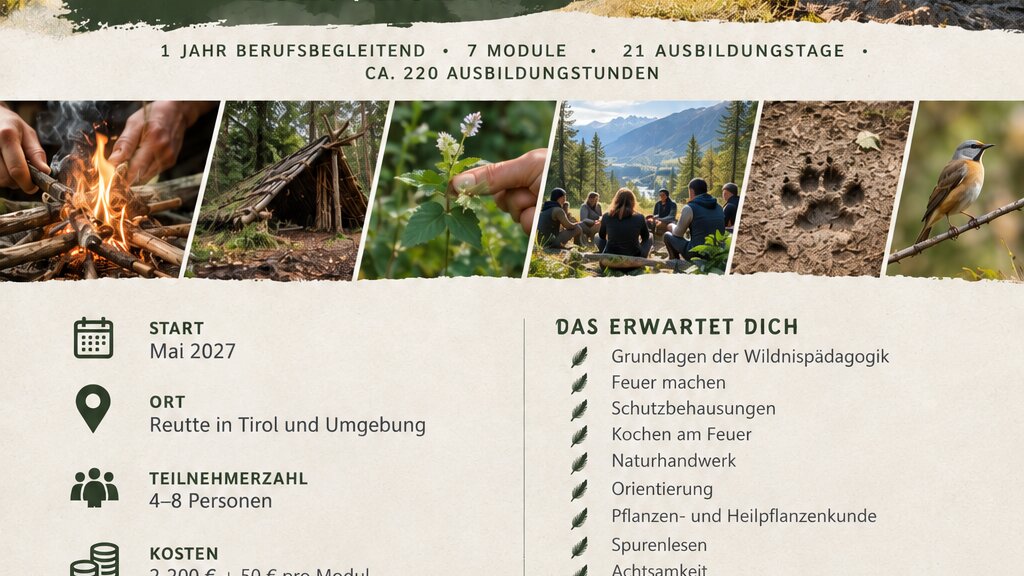
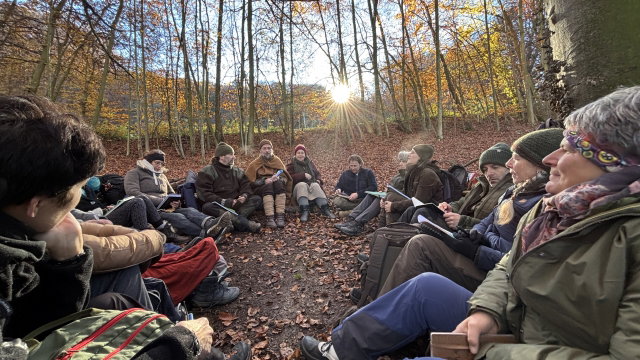
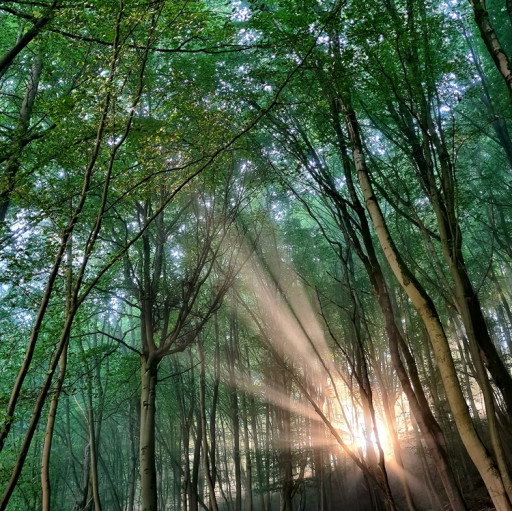
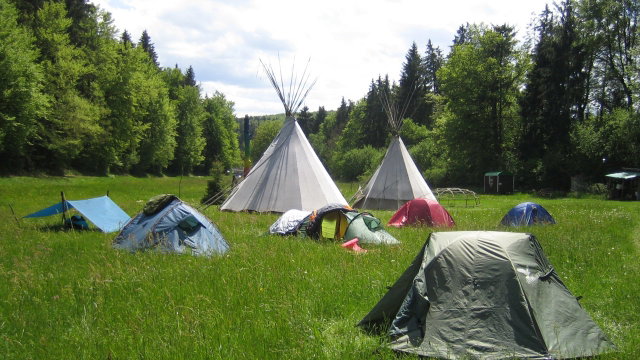
A few impressions to give you a feel for this class.
About this Class
This certificate course is aimed at people who work in education and nature enthusiasts who would like to expand their skills in learning in nature. Spread over one year alongside work, the course combines wilderness education, knowledge of nature, traditional nature crafts, and practical experience in nature. In addition to personal and social skills, it develops teamwork, reflection, and self-awareness. The course is relatively informal in structure and includes many practical craft sessions, independent study, and an individual project.
Available dates
Contents
Fundamentals of Wilderness Education and Connection with Nature
Fundamentals of wilderness education and nature education
Exercises for connecting with nature, mindfulness, gratitude, and psychomotor learning in nature
The language of nature, especially bird language, as well as wilderness literature
Forest medicine, edible plants, and the study of medicinal plants
Tracking, as well as hazards in nature and wild animals
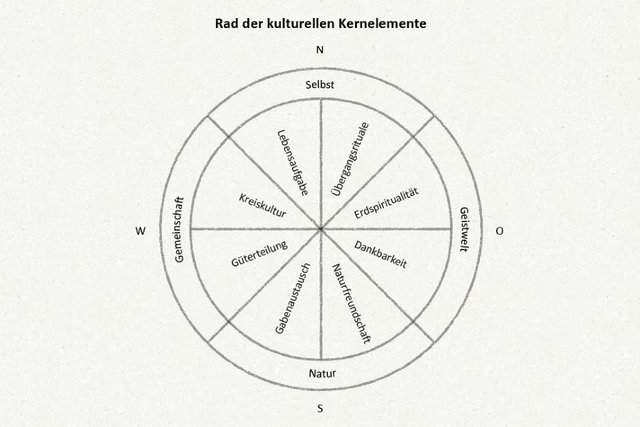
Indigenous medicine wheel and land art
Camp Life and Survival Techniques
Making fire using primitive methods and various ways of making tinder
Various shelters, setting up camp, camp life, and camp organization
Pitching a tarp, filtering water, and navigation
Camouflage and stalking, as well as setting traps without poaching
Survival techniques and knowledge of equipment and materials
Nature Crafts and Materials
Making tools from natural materials
Cordage making, flintknapping, and stoneworking
Coal burning, producing pitch glue, and making salves
Basket weaving, carving, and building a stone oven
Smoking foods, as well as handling an axe, saw, and knife
Theoretical bow making and shooting
Cooking and Practical Activities
Cooking over a fire
Hands-on practice with craft techniques and materials
Making fire-drill sets, fish spears, traps, arrowheads and spearheads, jewelry, bowls, and spoons
The items made can be taken home.
Teaching and Personal Development
Guiding and leading individuals and groups
Applying knowledge of nature and designing nature education
Teaching wilderness education competently
Independently planning and conducting classes
Personal and social skills, teamwork, reflection, and experiential learning
Independent Study and Optional Winter Topics
Independent study using twelve journals and developing a project
An optional winter module may be offered separately depending on interest, and includes snowshoeing, igloo building, and tracking in the snow.
Structure
The course lasts one year and is structured to be completed alongside work. It consists of seven modules or weekends running from Friday to Sunday, amounting to 21 training days.
The course includes practical sessions in nature, self-study with twelve journals, a project assignment, and the planning, development, and implementation of a project of your own. Including these components, the training comprises approximately 220 hours.
The exact dates are coordinated for each module with the participants and course director. A more detailed overview of the module topics will be provided after registration. An optional winter module may be arranged separately, depending on interest.
Prerequisites
No prior experience is required. A healthy physical and mental condition, as well as a willingness to learn in nature, are prerequisites.
Packing List
A materials list will be sent upon registration.
Board & Overnight
Overnight accommodation is in your own tent or under a tarp. Each module costs €50.00 for food, materials, and site rental.
Certificate
The course concludes with a certificate as a “certified wilderness educator” from Wildnisschule Ausserfern. The duration and content of the training are listed on the certificate.
As a final project, participants plan, develop, and carry out a project. Attendance of at least 90% or 19 training days is required. An optional winter module completed after the course will also be noted on the certificate.
Reviews
WildNet.Earth Review Policy
Each rating result ranges from 1 to 10. The overall rating for a class is calculated by adding up all the ratings submitted and dividing them by the number of ratings. We use a weighted system: more recent ratings have a greater influence on the overall result.
Participants can also submit sub-ratings for important class areas – such as organizer communication, class management, content & learning progress, procedure & implementation, venue, catering, and accommodation. Sub-ratings and overall ratings are assigned independently of each other and are not necessarily directly related.
Participants can submit a review if they have taken part in a class via WildNet.Earth – even if they have not completed the class in full. In addition, participants can verify themselves and also write reviews even if they have not booked via WildNet.Earth. Changes to reviews that have already been submitted can only be made via WildNet customer service.
To prevent bias, WildNet.Earth uses processes that identify fake or unreliable reviews. Such content will be deleted and measures may be taken against those responsible. Suspicious posts can be reported to customer service by anyone at any time.
We publish both positive and negative reviews, unless they contain or refer to:
- Politically sensitive content
- Advertising
- Illegal activities
- Personal or sensitive data (e.g., phone numbers, email addresses)
- Insults, obscene language, sexualized content, hate speech, discrimination, threats, or violence
- Spam or obviously fake content
- Identity theft
- Any violation of our rating guidelines
Guidelines and standards for reviews
These guidelines ensure that reviews on WildNet.Earth remain relevant, fair, and respectful—without restricting freedom of expression.
Contributions should have a clear connection to the class or experience and help other participants make an informed decision. Personal attacks, religious or political statements, advertising, or support requests (to the organizer or WildNet.Earth) do not belong in reviews and will be removed.
Posts must be suitable for a global audience. Obscenities (even in creative writing) and content that contains hate, discrimination, violence, sexual depictions, or illegal activities are not permitted.
All content must be authentic, independent, and unbiased. Organizers and their partners may not create reviews on behalf of their participants or offer incentives for reviews. Attempts at manipulation (e.g., negative reviews against other organizers) will not be tolerated.
Personal data of third parties may not be published. Copyrights must be observed—published content, especially images, may only be used if the corresponding rights have been obtained.
The opinions expressed are solely those of participants and class providers. WildNet.Earth accepts no liability for reviews or responses. WildNet.Earth acts as a distributor, not as a publisher of content.
Reviews are sorted according to recency and other relevance criteria (e.g., language, reviews with text, etc.). Additional sorting options may be available.
Wildnispädagogik Lehrgang
Share your experience report
Thank you for sharing your experiences. Your feedback helps other participants and supports the organizers in quality assurance.
A quick login is required to submit a review.
This ensures that only actual participants submit reviews, which increases the relevance of the reviews.
More classes from this school

Similar classes in the Wilderness Education category




About the Organizer
Wildnisschule Ausserfern
At our wilderness school on the Lech, the last wild river in the Northern Alps, we teach Coyote Teaching. Rather than giving a direct answer to a question, we try to encourage the person asking it to think independently by asking the right questions in return. The learner sets the pace by asking the questions. This teaching method was popularized by Tom Brown Jr. and his later student Jon Young, both of whom play a major role in the wilderness school movement worldwide. Coyote Teaching originated with Indigenous peoples, who have successfully practiced this way of teaching for millennia.
We accept only a small group of people at our wilderness school so that we can tailor the sharing of knowledge to each individual and give every participant the time they need to absorb it. We live wilderness education so that ancient knowledge is not lost and the sharing of knowledge about nature is preserved.
For us, nature is one of the most important things in life. After all, we come from it and one day we will return to it.
The knowledge we share lasts a lifetime and, above all, can be applied everywhere. Because survival has real value.
After taking one of our courses or completing our wilderness education training program, you are sure to see the world a little differently.
An unserer Wildnisschule am Lech, dem letzten Wildfluss der Nordalpen, lehren wir das Coyote Teaching. Dabei gibt man auf eine Frage keine direkte Antwort, sondern versucht den Fragesteller mit den richtigen Gegenfragen zum eigenständigen Denken zu bewegen. Der oder die Lernende gibt dabei die Geschwindigkeit vor indem er /sie die Fragen vorgibt. Diese Lehrmethode wurde von Tom Brown Jr. und seinem späteren Schüler Jon Young populär gemacht, die eine große Rolle in der weltweiten Wildnisschulenbewegung spielen. Der Ursprung des Coyote Teaching kommt von den Naturvölkern, die diese Art des Lehrens seit Jahrtausenden erfolgreich praktizieren.
Wir nehmen an unserer Wildnisschule nur eine kleine Gruppe an Personen an, um die Wissensvermittlung individuell zu gestalten und jeder/m Teilnehmenden die Zeit zu geben, um das Wissen gut zu übermitteln. Wir leben die Wildnispädagogik, damit altes Wissen nicht verloren geht und die Naturvermittlung erhalten bleibt.
Für uns ist die Natur eines der wichtigsten Dinge im Leben. Immerhin kommen wir aus ihr und gehen irgendwann wieder in sie zurück.
Das Wissen das wir vermitteln, ist ein ganzes leben lang und vor allem überall anwendbar. Denn Survival hat einen wahren Wert.
Nach einem Kurs bei uns oder unseres Wildnispädagogik Lehrganges, sieht man die Welt sicher etwas anders.
Hundreds more classes in 30+ categories
Not found what you are looking for yet? Discover many more classes in our class finder.